Muse Charm, the pocket device Meta built for AI
2026-09-25 · 6 min de leitura · E. Ribeiro

Meta used the stage at Connect 2026, in late September, to show a device that fits in your palm and has a smaller screen than any modern phone. It is called Muse Charm, and it does one thing: lets you talk to Muse, the company's AI agent, without opening an app.
For anyone who uses WhatsApp every day, the practical question is whether this changes anything right now. It doesn't — there is no price or release date yet. But it points to where Meta is taking communication, and part of that direction is already in your pocket through WhatsApp itself.
What Meta announced at Connect 2026
The official announcement is short and light on specs. Meta describes Muse Charm as a "fun" device with a real-time voice model for talking to the agent. According to Reuters, it has a roughly 2-inch screen, built-in 5G and cannot make phone calls, with a customizable character that drew comparisons to a Tamagotchi.
Meta also made clear what comes next: Muse is coming to its AI glasses in the coming months, and the company plans more than 100 styles of AI glasses by the end of 2026. For Charm, the promise is only "more to share later this year". No price, no date, no list of countries.
Muse Charm is not a new phone. It is Meta's attempt to pull the assistant out of the screen and place it in your voice and field of view.
From the metaverse promise to personal superintelligence
To grasp the scale of the bet, it helps to remember where Meta is coming from. In 2021, the company changed its name to chase the metaverse, which never took off as a computing platform. At this year's Connect, Zuckerberg changed the script: "it's pretty clear that personal superintelligence will not only come first, it will be much bigger and more important", he said, according to Reuters.
The market reacted well: the stock was up about 24% since the Muse app launched on September 8. Market numbers age fast, but they measure the expectation around the bet.
Meta traded the metaverse for personal superintelligence. Muse Charm is the first object of that new phase.
Why this matters if you use WhatsApp
The most relevant detail is in the Muse app announcement, not the hardware. Meta describes the agent as working "just like messaging another person, in the Muse app or directly in WhatsApp". In other words, the company already treats WhatsApp as a main interface for its AI.
The direction is this: instead of opening a menu and hunting for a feature, you talk and the assistant understands and acts. That logic is already in WhatsApp through AI reply suggestions.
Chat translation and summaries follow the same movement: AI steps into the conversation to reduce effort, without asking people to learn a new tool.
Voice is the preferred path for this generation of assistants — and you can already turn voice messages into text in the app itself, even without a new device.
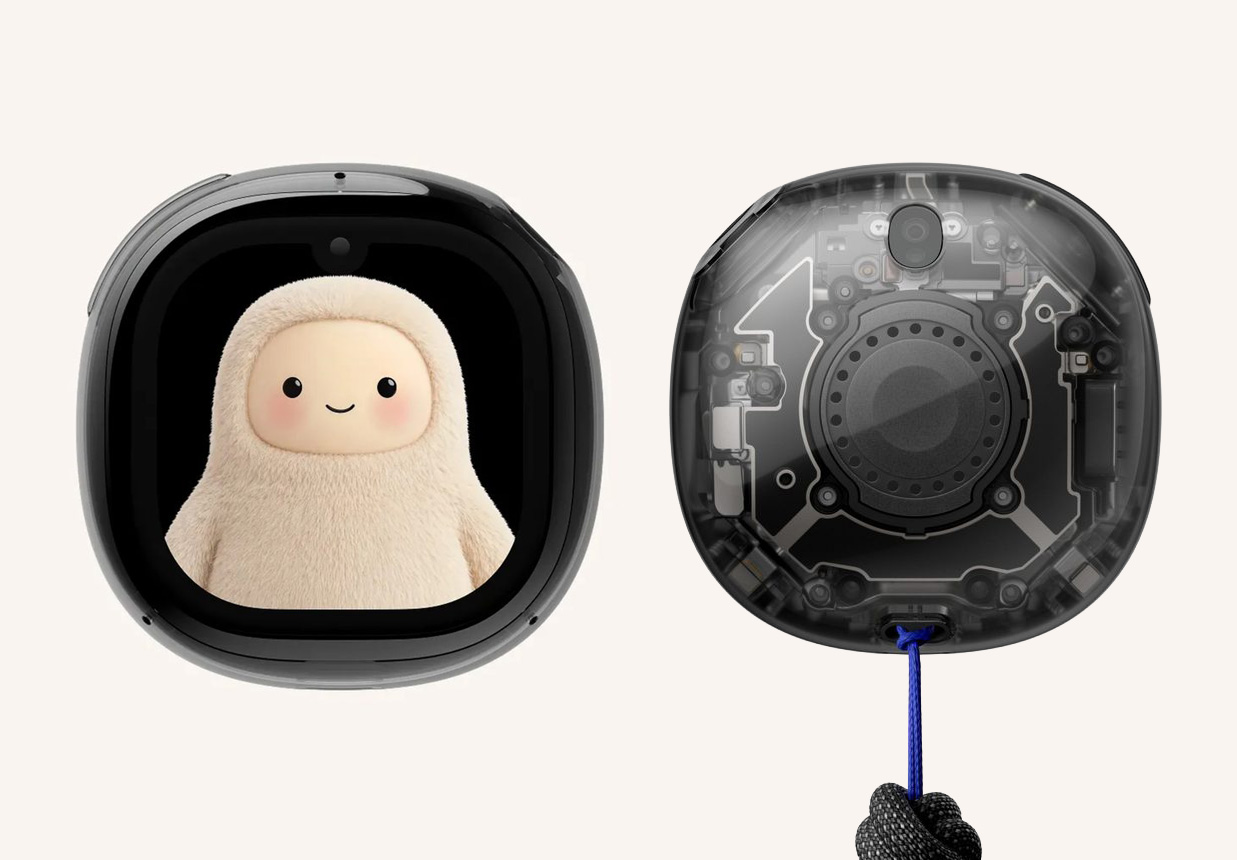
Muse Charm does not replace your phone or WhatsApp. It is meant for moments when grabbing the phone is awkward: asking for information with your hands full, capturing an idea or remembering a task.
What is still uncertain
The unknown list is longer than the known one: no price, no release date, no launch countries and no battery life. Linda Sui of Smart Analytics Global says the device may appeal to younger users, but is likely to stay with enthusiasts unless it does something phones, watches, earbuds or glasses cannot. Jitesh Ubrani of IDC recalls the Rabbit R1, which promised too much and delivered an unstable experience.
Privacy is another question. An assistant that listens and acts on your behalf needs clear limits. Meta says Muse runs on a dedicated virtual machine, asks permission before sensitive actions and lets users choose what it can access. These are architecture promises, not guarantees — a debate that applies to any AI privacy tool.
What you can do today
While Charm is not here, the useful part of this wave is already available. If you use WhatsApp for work, the first AI step needs no new device: automating greeting and away messages saves time.
Those who handle customers can go further and organize the operation with AI agents in customer service. The difference between Charm and what already exists is the format: the real dispute is who will handle your tasks, the app you open or an agent that follows you.
Frequently asked questions
What is Meta's Muse Charm?
It is a pocket device unveiled at Connect 2026 to talk to Muse, Meta's AI agent, without opening a phone. According to the press, it has a roughly 2-inch screen, built-in 5G and a customizable character. Meta has not announced a price or release date.
Will Muse Charm replace the phone?
No. The announcement presents it as a companion for talking to the agent, not as a smartphone. According to Reuters, it cannot make calls and depends on Meta's services — including WhatsApp — to be useful.
What changes on WhatsApp with Muse?
Meta says you can talk to Muse directly in WhatsApp. This reinforces a path the app is already on: AI suggesting replies, translating and summarizing conversations. The assistant stops being a separate screen and becomes a conversation.
Is Muse Charm a new Tamagotchi or a new Rabbit R1?
The Tamagotchi comparison is about the format; the Rabbit R1 one is about the risk. The R1 failed by promising features it could not deliver. Charm will only avoid that fate if its features are genuinely useful day to day — and that is not something we can test yet.
Credits: Carlos Barria/Reuters (photo) · Meta (image and video)
Bring AI to your messages today
Create greeting and away messages for WhatsApp with AI in minutes. Free, no sign-up.
Create Auto Message